

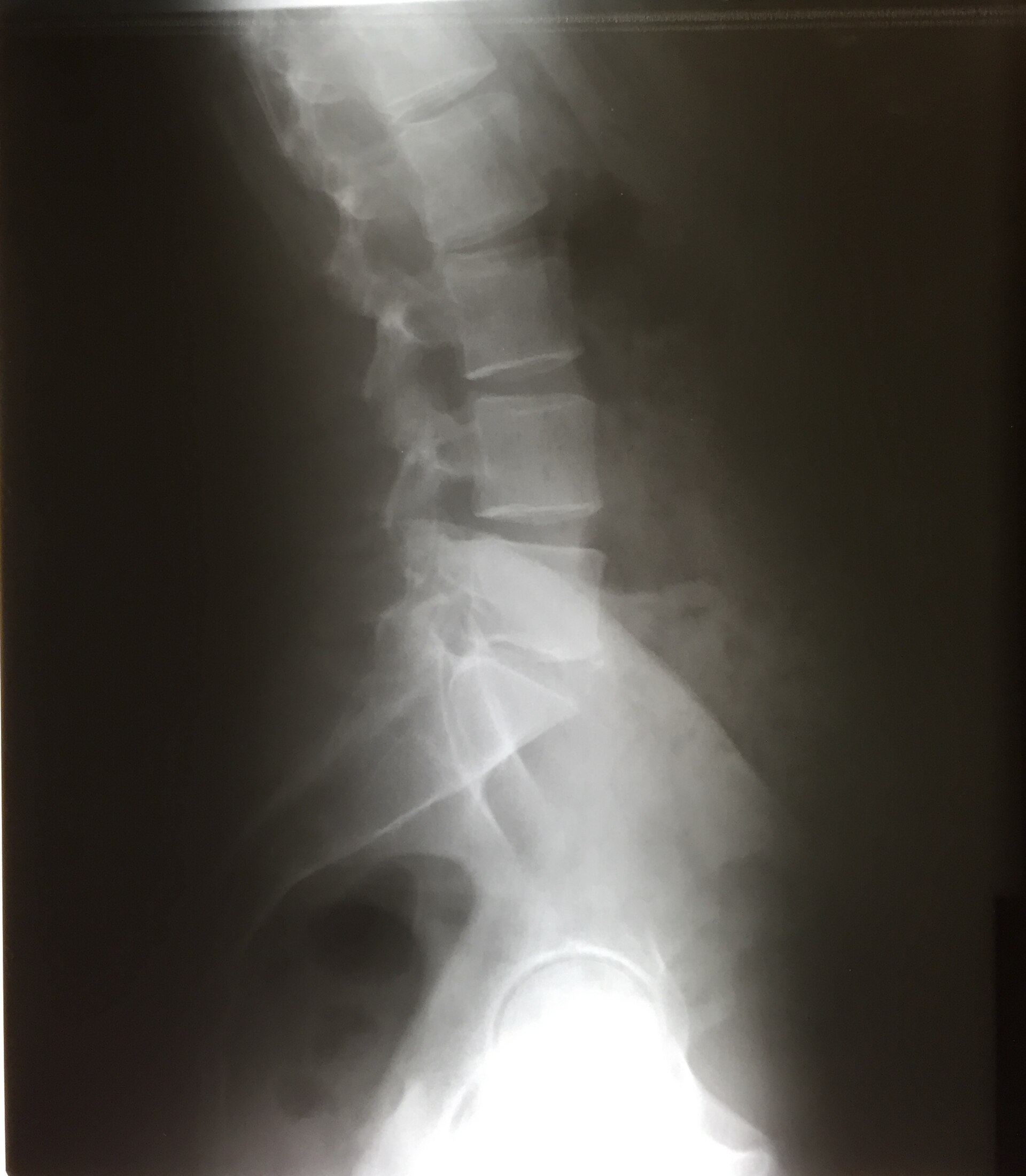
Central sensitisation is when your nervous system turns up the volume on pain. The original injury may have settled, but the system that carries danger signals stays over-sensitive, so movements and sensations that should not hurt start to. It is one of the main reasons pain can outlast the tissue damage that began it.
This is not a fringe idea or a way of saying the pain is imaginary. It is a measurable change in how the spinal cord and brain process signals, and it sits behind a lot of the long-running pain we see in clinic. Understanding it changes what you do about it.
The short version
- Central sensitisation means the nervous system amplifies pain signals.
- Pain can continue after the tissue has healed.
- It is a real, measurable change, not pain that is invented.
- Scans often look normal while the pain is genuine.
- Exercise, sleep, and understanding pain help more than most painkillers.
What central sensitisation actually is
Pain normally works like a smoke alarm. Damage in a tissue sends a signal up to the spinal cord and brain, you feel pain, you protect the area, it heals, the alarm switches off. That is acute pain doing its job.
In central sensitisation, the alarm stays sensitive after the fire is out. Research describes it as a prolonged but reversible increase in the excitability of neurons in the central nervous system, so the same input produces a much bigger response than it should (Woolf, 2011, PubMed). The volume control is stuck high.
The word reversible matters. This is not permanent damage to your nerves. It is a change in how sensitive the system is, and sensitivity can come back down.
How the nervous system turns up the volume
Two things tend to happen together. First, the spinal cord becomes more efficient at passing pain signals on, so a small input gets amplified before it ever reaches the brain. Second, the brain becomes quicker to read incoming signals as threatening.
That produces some odd but recognisable patterns. Light touch or pressure that should feel neutral can feel painful. Pain spreads beyond the original area. It lingers after you stop the activity, and it can be set off by things that have nothing to do with the tissue, like a bad night of sleep or a stressful week.
None of this means you are weak or imagining it. It means the protective system has become over-protective. In our clinical experience that distinction lands well with patients, because it explains why they hurt without there being fresh damage to point at.
Where we see it
Central sensitisation shows up across a lot of persistent pain. Fibromyalgia is the clearest example, where widespread pain and tenderness exist without joint or muscle damage that explains it (NHS, Fibromyalgia). It also features in long-running low back pain, persistent neck pain, some headaches, and pain that continues long after an injury should have recovered.
Chronic pain is usually defined as pain lasting more than three months, or beyond the time the tissue would normally take to heal (NICE CKS, Chronic pain). Not all chronic pain is driven by central sensitisation, but the longer pain runs on, the more likely the nervous system is part of the picture rather than the tissue alone.
Why your scan can look normal while the pain is real
This is the part that frustrates people most. You are in genuine pain, the MRI comes back unremarkable, and it feels like you are being told nothing is wrong. Both things are true at once. The tissue looks fine on the scan, and the pain is real, because the pain is being generated by a sensitised system rather than by visible damage.
Scans show structure, not sensitivity. There is no imaging test that measures how loud your nervous system has turned the signal up. This is also why we are cautious about reading too much into scan findings, a point worth its own read in our piece on what an MRI report does and does not tell you. If you want the wider picture on long-running pain, our article on chronic pain not being all in your head covers the ground around this one.
What keeps the system switched on
If the change is reversible, why does it persist for some people and settle for others? Part of the answer is that several everyday factors keep nudging the volume back up, and they tend to cluster together.
The biggest one we see is the fear-avoidance loop. Pain makes you wary of moving, so you move less, the area gets weaker and stiffer, and the next attempt to move hurts more, which confirms the fear. The nervous system reads less and less movement as normal, and its threshold for sounding the alarm drops. Breaking that loop with graded, confidence-building movement is one of the most useful things you can do.
Poor sleep is the next. Sleep and pain run in both directions, so a stretch of broken nights lowers your pain threshold and the pain then wrecks your sleep further. Stress works similarly. A sensitised system is more reactive when you are stretched thin, which is why people often notice their long-running pain flares during a hard week at work even though nothing physical has changed.
Worry about what the pain means also feeds it. If you believe every twinge is fresh damage, your brain treats each signal as more threatening, and threat amplifies pain. This is not about thinking positively. It is about having an accurate picture, so the alarm is not constantly being primed by fear of harm that is not happening.
What tends to help
The treatments that work for sensitised pain are different from the ones that work for fresh injury, and this is where a lot of people get stuck doing the wrong thing for months.
For chronic primary pain, the 2021 NICE guideline recommends supervised exercise, psychological therapy such as acceptance and commitment therapy or CBT, and in some cases acupuncture or certain antidepressants. It specifically advises against starting common painkillers like paracetamol, anti-inflammatories, opioids and gabapentinoids, because the evidence shows little benefit and real risk of harm (NICE NG193). That is a significant shift from how chronic pain used to be managed.
In plain terms, a few things tend to move the needle:
- Graded movement. Gentle, progressive loading teaches the nervous system that movement is safe. Doing nothing tends to make a sensitised system more protective, not less.
- Sleep. Poor sleep and pain feed each other. Improving sleep often lowers pain sensitivity over time.
- Understanding pain. Knowing that hurt does not always mean harm reduces the threat the brain attaches to a signal, and that alone can turn the volume down.
- Pacing. Steady activity beats the boom-and-bust cycle of overdoing it on good days and crashing afterwards.
None of these is a quick fix, and that is the honest part. A sensitised system usually settles over weeks and months, not days. But it does settle, and the direction of travel is the thing to hold onto. Small, repeatable wins matter more than any single big effort, because the system relearns safety through consistency rather than intensity.
When to see a GP first
Central sensitisation is about pain that has outlasted its cause, so before you put long-running pain down to a sensitive nervous system, rule out the things that need urgent attention. See a GP or go to A and E if you have numbness around the saddle area between your legs, loss of bladder or bowel control, weakness in a leg or foot, or back pain alongside unexplained weight loss, fever, or pain that is much worse at night (NHS, Back pain). These are red flags that point to something other than a sensitised system.
If your pain has changed character, or you are losing strength rather than just feeling sore, that warrants assessment first too.
How we work with this in clinic
In my years of practice, the patients who had been everywhere and tried everything were almost always dealing with a sensitised system that nobody had explained to them. The clinic team approaches these cases the same way now: assess properly to rule out anything that needs onward referral, explain what is actually driving the pain, and build a graded plan to get the system feeling safe with movement again. Hands-on treatment can help settle symptoms enough to get moving, but it earns its place as part of an active plan, not as the whole plan.
What we will not do is promise to cure it in a session or keep you coming back indefinitely with no clear end point. Persistent pain rarely responds to either.
An initial assessment at the clinic is £75 and follow-ups are £60, and the first appointment is mostly about working out what is going on rather than rushing into treatment.
If this sounds like what you are dealing with, an assessment is the next step. Book at hardimanperformance.com/book-online.