

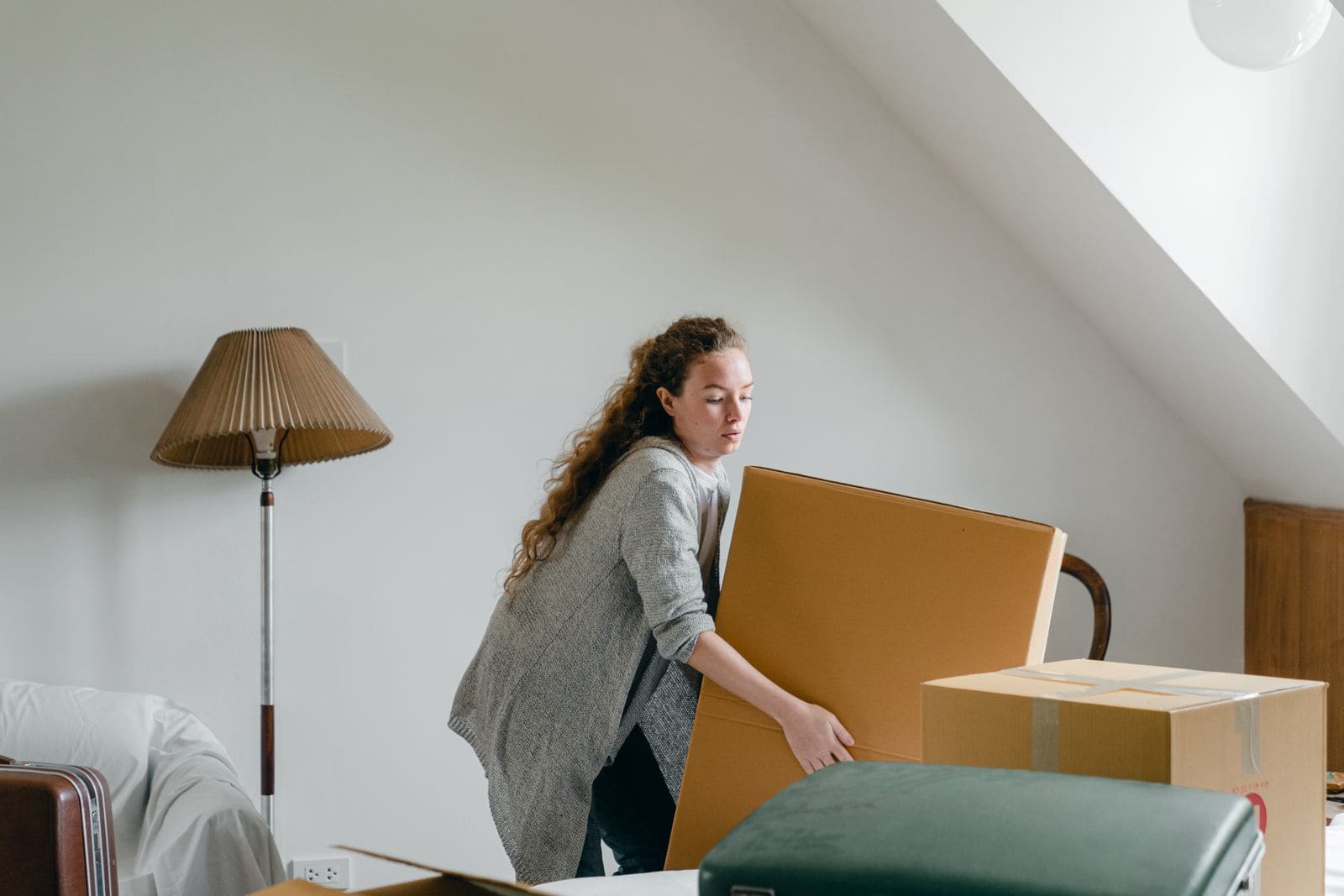
Most back pain from lifting at home has less to do with the shape of your spine than you have been told. The research points much more at how heavy the load is, how often you lift it, how close you hold it and how used your body is to the job. Keeping a perfectly straight back matters far less.
That is good news, because it means the practical changes are simple. This post covers what the evidence says and how to apply it to the things people actually lift at home: the weekly shop, small children, suitcases and furniture.
The short version
- Bending your back to lift has not been shown to cause back pain.
- Heavier loads and more lifts per day do raise back pain risk.
- Keep the load close. Distance from your body multiplies the effort.
- Technique training alone does not prevent back pain in trials.
- Getting stronger is the most useful thing you can do.
Why a rounded back is less dangerous than you were told
Most of us were taught to keep the back straight, bend the knees and lift with the legs. It sounds sensible, but it has not held up well when tested. A 2020 systematic review in the Journal of Orthopaedic and Sports Physical Therapy looked at whether bending the lower back during lifting predicts back pain. Nine of the eleven studies found no meaningful difference in lumbar flexion between people with and without back pain, and the authors concluded there was low-quality evidence that more flexion is not a risk factor for back pain starting or persisting.
A second review turned the question around. It compared how people with and without back pain lift when left to choose their own style. People with back pain moved more slowly, more stiffly and with a deeper knee bend. The authors pointed out that this cautious style mirrors what manual handling courses teach. The studies were cross-sectional, so they cannot show cause, but they do suggest that guarding and stiffening are a response to pain more than they protect against it.
Technique training on its own also has a poor track record. A Cochrane review of nine trials covering more than 20,000 workers found moderate quality evidence that manual handling advice and training, with or without lifting aids, did not prevent back pain compared with no intervention.
What does raise the risk
Load and repetition. A meta-analysis of eight longitudinal studies of workers found that each extra 10 kg lifted raised the odds of back pain by about 11%, and each extra 10 lifts a day by about 9%. A 2023 review of 26 studies found moderate evidence linking regular lifting and carrying to chronic low back pain, with odds about 1.7 times higher in the most exposed groups.
Those figures come from people who lift for a living, so they overstate the risk of an occasional heavy day at home. The useful point carries over though. Your back copes best with loads it is used to. A sudden jump in load, like a house move after months at a desk, is where people tend to come unstuck.
Six practical rules for lifting at home
- Keep the load close to your body. Holding a weight at arm's length increases the strain on your lower back. Hug it in before you stand up.
- Split the load. Two shopping bags, one in each hand, are easier on your back than one heavy bag on one side. Two trips from the car beat one heroic trip.
- Turn with your feet. Lifting and twisting at the same time is awkward under load. Pick it up, then step round to face where it is going.
- Get children to come to you. Lifting a toddler out of a car seat or cot means reaching forward and twisting with a moving weight. Where you can, let them climb onto your lap or a step first, then lift from close in.
- Lift suitcases in two stages. Getting a case into an overhead locker or loft is easier as a lift to waist or a step, a pause, then a second lift. Wheels and a second pair of hands help with stairs.
- Do not save it all for one day. If you are moving house or clearing a garage, spread the heavy work over several days and take breaks. A back that is tired from three hours of lifting is less tolerant than the same back fresh.
None of this requires a perfect posture. Lift in whatever way feels strong and controlled for you, with the load close and the weight sensible.
Does a back belt help?
For managing low back pain, NICE guidance is clear: it says do not offer belts or corsets (recommendation 1.2.3). The same guidance encourages people with back pain to continue with normal activities.
The better investment is strength. The NHS recommends strengthening activities for all the major muscle groups on at least 2 days a week, and it lists carrying heavy shopping bags and lifting and carrying children as examples. In other words, everyday lifting is training, and the stronger you are, the smaller a share of your capacity each lift takes. If you already have back pain, our post on strength training with back pain covers what to keep and what to drop, and the clinic offers exercise rehabilitation if you want a programme built around your back.
When to get your back checked
Most back pain after a heavy lift settles within a few weeks. The NHS says to call 999 or go to A&E if you have back pain with any of these:
- pain, tingling, weakness or numbness in both legs
- loss of feeling around your genitals or bottom
- changes in your bladder or bowels, such as difficulty peeing or losing control
- chest pain, or pain that started after a serious accident
Ask for an urgent GP appointment or use 111 if you feel hot, cold, shivery or generally unwell, or if severe pain starts suddenly or gets worse quickly. See a GP routinely if the pain is worse at night, has not improved after a few weeks of looking after it at home, or you have lost weight without trying.
Getting help with a back that keeps catching you out
If every bag of shopping or school run seems to set your back off, it is usually worth working out why. That often means looking at strength, how much load you are handling, and what else is going on, sleep and stress included. You can read more about how we approach this on our back pain treatment page.
If this sounds like what you're dealing with, an assessment is the next step. Book online here.
Photo: Pexels (free licence).