

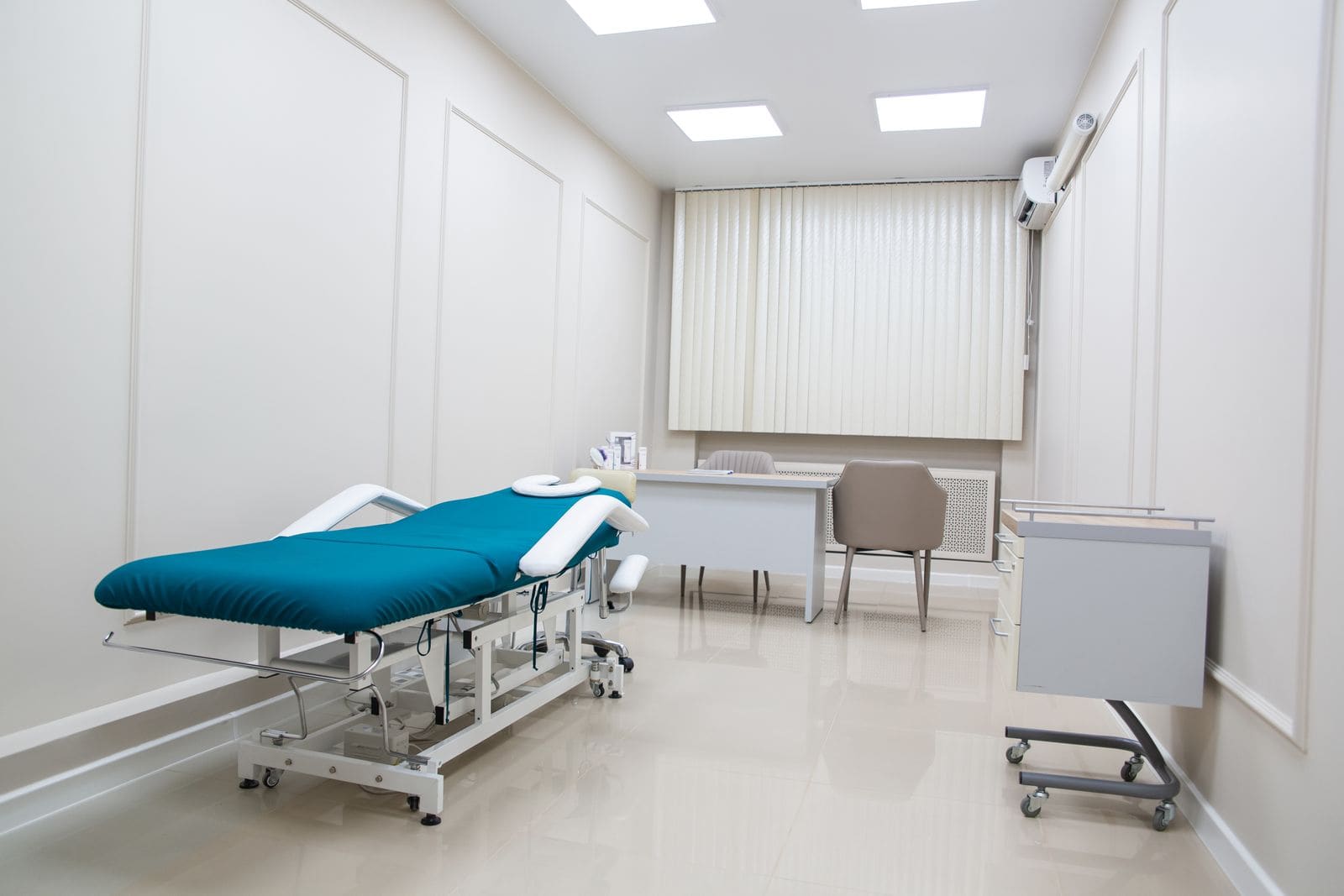
You will probably be asked to take off or move some clothing when you see an osteopath, but you decide how much. The standards set by the General Osteopathic Council (GOsC), which regulates every UK osteopath, cover this in detail. You can undress without being watched, keep covered anything that does not need examining, bring someone with you, and stop at any point.
The short version
- Expect to remove or adjust some clothing, depending on where it hurts.
- Shorts and a t-shirt usually show enough.
- You can undress and dress again in private.
- You can bring a friend, or ask for a chaperone.
- Back pain with numbness around your genitals means 999 or A&E.
Do you have to undress for an osteopath?
Often, yes, at least in part. The GOsC patient guide says it is likely you will be asked to remove or adjust some clothing, and that you should tell the osteopath if you are uncomfortable about it. It also says you should have privacy to undress, and that a gown or towel should be provided.
The practice standards go further. Osteopaths should tell you before your first appointment that you may be asked to undress, and ask you to remove only what the examination needs. If they think you need to be down to your underwear, they should explain why and ask for your consent. If clothing needs moving during treatment, you should be asked to do it yourself.
The simple answer for most people is to bring shorts and a t-shirt. We have changing facilities at the clinic and you will always have privacy. If you would rather stay covered, say so when you book or when you sit down. The examination may tell the osteopath less that way, and they should be honest about that.
Why does an osteopath need to see the area?
Mostly to watch it move. It is easier to see how a shoulder blade or a lower back is moving in a vest than under a thick jumper. The osteopath may also compare sides and look for swelling or bruising.
Skin can matter too. Shingles can start with a tingling or painful feeling in one area, with the rash usually following a few days later, most often on the chest or tummy. The NHS also says to see a GP about back pain with a lump or swelling in your back, or a back that has changed shape. Those are hard to spot through clothing.
If you cannot see why something needs to come off, ask. "What are you looking for?" is a fair question, and it should get a straight answer.
Can you bring someone with you, or ask for a chaperone?
Yes to both. The GOsC says a friend or relative can come with you and stay for the whole treatment. Before any examination or treatment, the osteopath should make sure you know you have the right to a chaperone and the right to stop.
In some situations they must always ask if you would like one: when an intimate area is involved, when the patient is under 16, when an adult lacks capacity to consent, and on home visits. If you want a chaperone and neither side can provide one, they should offer to rearrange.
The GOsC list of intimate areas includes the groin and the breast, and it says patients may see other parts of the body that way too. If somewhere feels off limits to you, say so.
If you would prefer to see a man or a woman, ring before you book on 01582 318980. We are a small team and may not be able to match every request.
What if I'm embarrassed about my body?
You are in good company. When researchers asked patients at a UK osteopathic training clinic how comfortable they were with the way they were treated, the answers raised important issues around undressing, privacy and gender. That survey dates from 2000.
Some of the worry is about being judged on weight, and for some people it comes from experience. A 2019 review of 21 studies in primary health care found that weight bias from health professionals puts people off, and that avoiding or delaying care was one of the results. I don't think anyone should have to lose weight before they feel allowed to ask about a sore back.
The clinic team sees around 100 patients a week. Scars, stretch marks, unshaved legs and a soft middle are ordinary. You do not need to apologise for any of them, and you do not need to shave before you come.
The profession still has work to do. In a national survey of 1,649 osteopathic patients published in 2013, listening, respect and being given information ranked highest among what patients expected, and privacy for undressing was among the things generally done well. Gowns or towels and chaperones were on the poorly met list, going by the patients who had expected them. Only about 15% of the questionnaires came back, and the survey is old. If you want either, ask.
Which embarrassing symptoms should you never keep quiet about?
Anything to do with your bladder, bowels, genitals or sex. Those are easy to leave out when you think you are there for your back. The NHS says to call 999 or go to A&E if you have back pain and any of these:
- pain, tingling, weakness or numbness in both legs
- a loss of feeling around your genitals or anus
- changes in your bladder or bowels, such as difficulty peeing, or peeing or pooing yourself
- changes in how your penis or vagina feels during sex, or not being able to get or keep an erection, or to orgasm
The same goes for back pain with chest pain, or after a serious accident such as a car crash. Do not wait for an osteopathy appointment. Get an urgent GP appointment or help from 111 for back pain if you feel hot, cold, shivery or generally unwell, or if severe pain starts suddenly or is getting worse quickly. See a GP if it is worse at night, or you have lost weight without trying to.
An osteopath may ask you about these things directly. They are checking for rare, serious causes of back pain, and what you say is confidential under the same standards.
What if you feel uncomfortable during treatment?
Say stop. Consent is an ongoing process, so agreeing at the start does not commit you to the rest. If you say the treatment is going outside what you agreed, the osteopath must stop. You do not need a reason.
Uneasy afterwards? You can talk to the clinic, and every osteopath must have a complaints policy. You can also raise a concern with the GOsC directly. If you are still at the stage of wondering what a first visit involves, we have a guide to a first osteopathy session, and the osteopathy page covers what we do.
An initial assessment is £75 for 45 minutes, and you can ask us about clothing or privacy before you come. If this sounds like what you're dealing with, an assessment is the next step. Book online here.