

An initial osteopathy assessment at our Luton clinic costs £75. Follow-ups are £60, and a longer extended appointment is £100. That first visit runs to about forty-five minutes and covers a full history, a physical and movement assessment, hands-on treatment in the same session, and a clear plan to take away. Here is the reasoning behind each of those figures.
Price is one of the first things people want to know and one of the last things clinics tend to put in writing. We show ours on the site, so this is what sits behind them: what the fee pays for, why the first visit is not a rushed fifteen minutes, and when paying for an osteopath is not the right call.
The short version
- Initial assessment is £75. Follow-ups are £60. Extended sessions are £100.
- The £75 covers a 45-minute first visit, assessment and treatment.
- You are paying for a regulated healthcare professional, not just the room.
- Manual therapy works best alongside exercise, not as a standalone treatment.
- If your problem needs a GP or a scan, we will say so.
What the £75 initial assessment buys you
The first appointment is the longest and the most involved, which is why it costs more than a follow-up. Most of it is not treatment, it is working out what is actually going on. The osteopath takes a full case history, examines how you move, and tests the area that is troubling you before treating it. The General Osteopathic Council describes a first visit in the same terms: history, examination, and a working explanation of the problem.
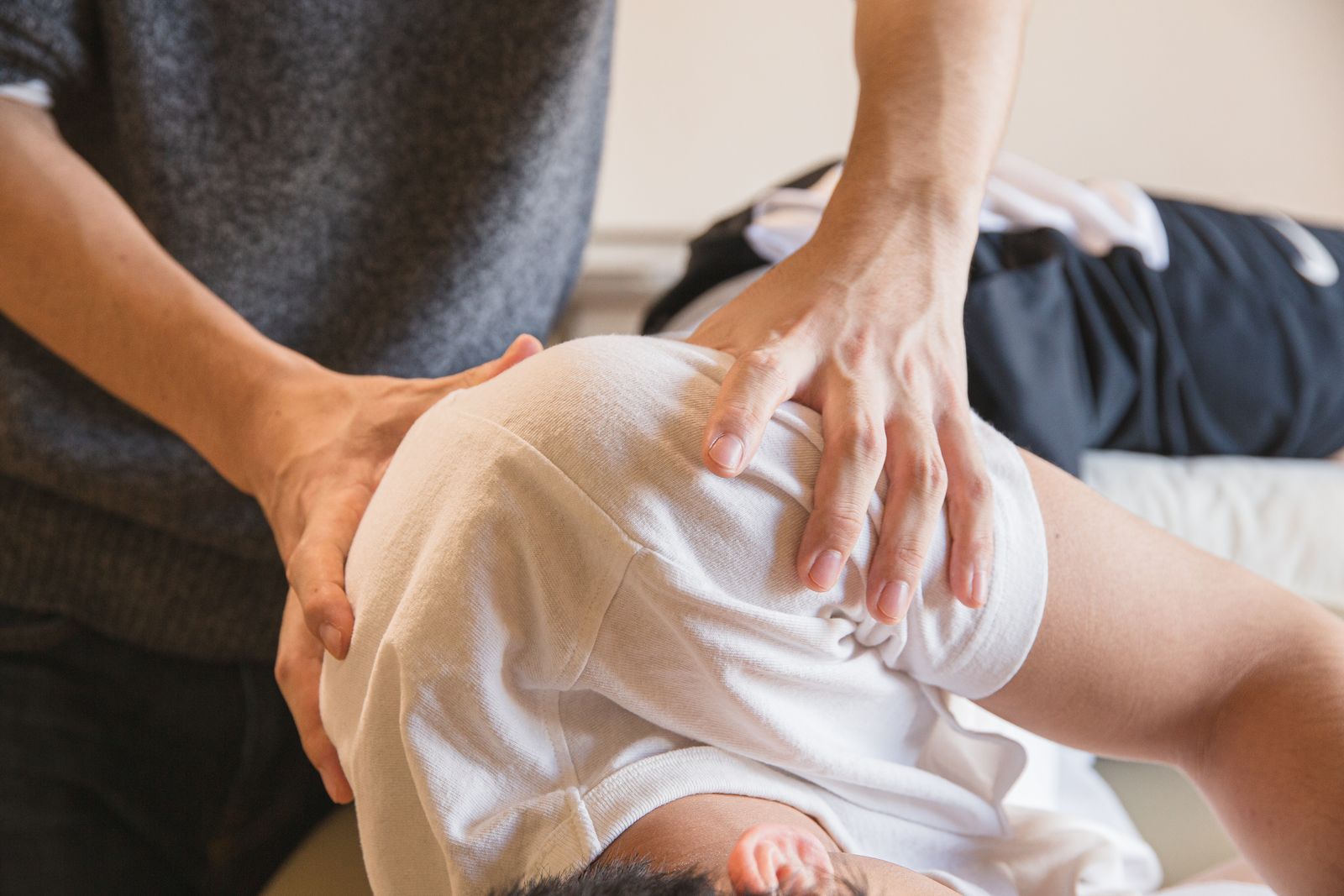
In practice that is around forty-five minutes. History and assessment first, then hands-on treatment in the same visit, then a few minutes at the end on what to do before you come back. The NHS describes osteopathy plainly as using massage and stretching to treat injuries, improve movement and relieve pain. What the first £75 mostly buys is the assessment that tells us whether that is likely to help you at all.
Why it is not a fifteen-minute appointment
A shorter, cheaper first appointment sounds appealing until you have sat through one. Fifteen minutes is barely enough to hear the history, let alone examine you properly and treat you in the same slot. Rush the assessment and you get a guess, and a guess is how people end up paying for six sessions that were never going to work.
Time is the real product here. The reason a first visit costs more than a follow-up is that it holds more of it, and more of the thinking that goes with it. By the second appointment we already know your history and what has changed, so the session can go straight to treatment.
Follow-ups and extended appointments
After the first visit, most people move to follow-ups at £60. These are shorter because the detective work is done. We know your history, what we found, and what has shifted since last time, so the session goes to treatment and to progressing your plan rather than starting over.
An extended appointment is £100. It is there for the times a standard slot will not do the problem justice, such as a complicated history that needs more assessment and treatment than usual. Most people never need one. It exists so that the time a problem needs, rather than a fixed slot, sets the price.
What you are paying for beyond the treatment room
A fee is never only the time in the room. Osteopathy in the UK is regulated by law. Osteopath is a protected title, and every practising osteopath has to be registered with the General Osteopathic Council and meet its standards. That means four or five years of training, ongoing professional development, and indemnity behind the person treating you, which is part of what separates a registered osteopath from an unregulated "back specialist".
You are also paying for care that lines up with the evidence rather than against it. For low back pain, national guidance from NICE recommends manual therapy, such as manipulation, mobilisation or soft tissue work, as part of a package that includes exercise, not as a treatment on its own. A good appointment reflects that. You should leave with something to do between visits, not just a booking for next week.
Using private insurance, or paying yourself
If you have private health cover, an osteopath may cost you little or nothing directly. We accept Vitality, WPA, Aviva, AXA, Cigna and Simplyhealth. Most insurers ask for a GP referral or a set number of authorised sessions first, so it is worth checking your policy before you book. In most areas the NHS does not fund osteopathy, so for the majority of people it is a private cost.
When paying for an osteopath is not the right call
Sometimes the honest answer is to keep your money. If your pain arrived with numbness or weakness spreading down a limb, trouble controlling your bladder or bowel, unexplained weight loss, or night pain that wakes you alongside a fever, that is a GP or A&E matter first, not a clinic booking. Osteopathy is for the mechanical aches and injuries we commonly treat, and it is not the answer to everything.
Even within that, it will not suit everyone. If two or three sessions make no difference at all, that is useful information, and a good clinician will tell you rather than book you a tenth. Paying for care that is working is fair. Paying for care that is not is something we would rather flag than take.
If this sounds like what you're dealing with, an assessment is the next step. Book online here.