

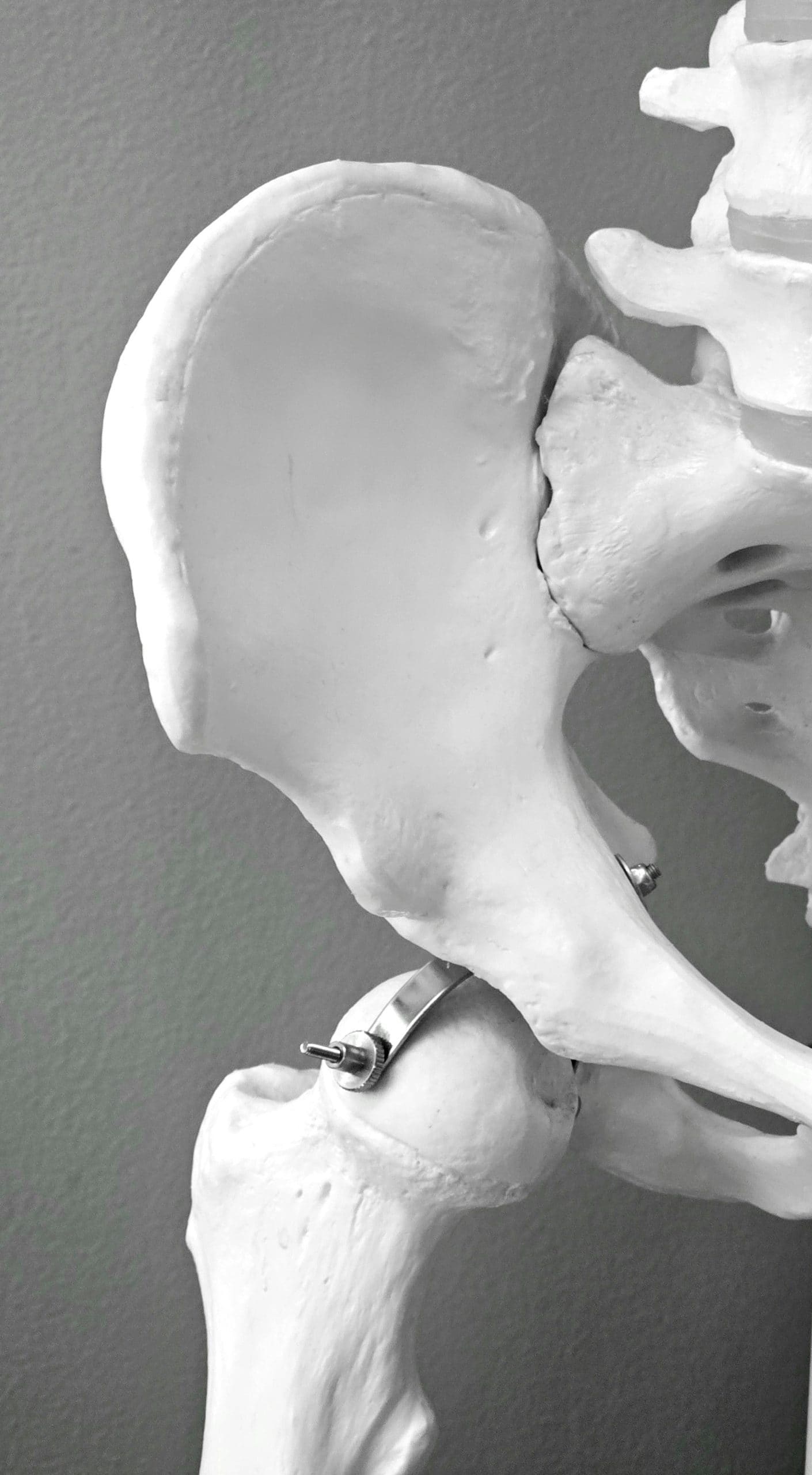
No, stretching is not usually the fix for tight hip flexors. The sensation of tightness at the front of the hip is most often protective tension, weakness in the muscles around the joint, or an irritated tendon. None of those respond to more stretching. In some cases, aggressive stretching makes the area worse.
The short version
- Hip flexor tightness is usually protective tone or weakness, not true muscle shortness.
- One controlled study found stretching reduced anterior pelvic tilt by 1.2 degrees, immediately.
- Stretching an irritated hip flexor tendon often makes the irritation worse.
- Strength work for the glutes and core often does more than stretching alone.
- Persistent groin or front-of-hip pain that does not change needs a clinical assessment.
What hip flexor tightness usually is
The main hip flexors are iliacus and psoas major (together called iliopsoas), with rectus femoris contributing during straight-leg extension. When someone says their hip flexors feel “tight”, they usually mean a sensation of tension or restriction at the front of the hip, not necessarily an actual measurable reduction in muscle length.
That distinction matters, because the things that produce the sensation of tightness are not the same as the things stretching fixes. The most common drivers we see are:
- Habitual sitting position. Eight hours a day at a desk does not shorten the hip flexors permanently. It does keep them in a foreshortened position, and the nervous system adapts the resting tone accordingly. Stand up and they feel tight for the first minute.
- Weak gluteal and core muscles. When the hip extensors and core are weak, the hip flexors work harder to control pelvic position. That working harder presents as background tension.
- Anterior pelvic tilt. A forward-tipped pelvis lengthens the hip flexors, not shortens them. Counterintuitively, hip flexors are often stretched in this position, not tight. They feel tight because they are working under load.
- Tendon irritation. A genuinely irritated psoas tendon (psoas tendinopathy) or a hip joint issue like femoroacetabular impingement will produce a tightness sensation. The mechanism here is inflammation or mechanical pinching, not muscle shortness.
When stretching does help
The evidence on hip flexor stretching is not zero. A 2021 study in 23 healthy adults found that a single session of passive hip flexor stretching reduced anterior pelvic tilt by an average of 1.2 degrees in relaxed standing. That is real, but small. A systematic review and meta-analysis reported that hip flexor stretching of up to two minutes does not reduce strength or jump performance and may slightly help.
So as one piece of a broader plan, stretching has a role. Where it falls down is when it is the whole plan. Adding more stretching to a hip that feels tight because of weakness or because of a tendon issue is treating the symptom and ignoring the driver.
When stretching makes things worse
There are specific situations where pushing into hip extension under tension is the wrong move:
- Active hip impingement or labral irritation. End-range hip extension can drive the head of the femur into the front of the socket and aggravate the joint.
- Psoas tendinopathy. An irritated tendon does not need more end-range load. It needs progressive, controlled strengthening.
- Acute groin or hip flexor strain. Stretching adds tensile load to healing tissue. Wait until pain settles before introducing length work.
- Generalised hypermobility. Joints that already move beyond average range do not benefit from being pushed further.
If a stretch reliably reproduces pain in a way that feels sharp, pinchy, or located deep in the joint, that is worth listening to. The good ache of a stretch in a healthy muscle is different from the warning signal of an irritated structure.
What tends to work better
The pattern we see in clinic for people stuck on hip flexor stretches is usually a combination of:
- Glute strength. Bridges, hip thrusts, single-leg deadlifts. The point is to train the muscles that should be doing the work the hip flexors are currently being asked to do.
- Core stability for the lumbopelvic region. Front planks, dead bugs, anti-rotation pressing. A stable pelvis means the hip flexors do not have to keep guarding posture.
- Movement variability. Standing and sitting in shifts during the workday. The hip flexor adaptation to sitting reverses with regular position changes faster than with one daily stretch.
- Hip flexor strength. Yes, strengthen them too. Many people with chronic hip flexor symptoms are not over-tight, they are weak in flexion at end range.
The NHS recommends at least 150 minutes of moderate activity a week, with strength work on at least two days. That single guideline does more for hip mechanics than any stretching protocol on its own.
When to see someone
Most hip flexor sensations are mechanical and settle with movement variability and gradual strengthening. Get assessed sooner if any of the following apply:
- Pain wakes you at night or is unrelenting at rest.
- You have weakness in the leg, numbness, or pins and needles.
- There is sudden swelling, fever, or unexplained weight loss.
- You cannot bear weight after a fall.
- Pain has not changed at all after six weeks of sensible self-management.
- Pain is in the groin and worse with weight-bearing activities like running.
For general guidance on hip pain causes and self-management, the NHS hip pain page is a sensible first read.
A first appointment at the clinic is £75 and covers a full history, movement assessment, and the start of treatment. Follow-ups are £60. Vitality, WPA, Aviva, AXA, Cigna, and Simplyhealth all cover osteopathy.
Frequently asked questions
How long should I hold a hip flexor stretch?
Most evidence on hip flexor stretching uses holds of 30 to 60 seconds, repeated two or three times. Holds longer than two minutes do not add benefit and may slightly reduce strength immediately after.
Can I stretch my hip flexors every day?
Stretching every day is safe if the stretch does not produce sharp or joint-deep pain. If a regular stretch is not changing how the hip feels after four to six weeks, the driver is probably not muscle length.
What is the best hip flexor stretch?
A half-kneeling lunge stretch with a posterior pelvic tilt is the most reliable position for isolating the hip flexor without compensating through the lumbar spine.
Why do my hip flexors get tight when I run?
Running loads the hip flexors heavily during the swing phase. If the glutes are underactive or the core is weak, the hip flexors work harder than they should, which presents as tightness afterwards.
Should I stop running because my hip flexors feel tight?
Not usually. Reduce weekly running volume by about 20 percent for a week, add glute strength work, and reassess. Stop and seek an assessment if the tightness becomes sharp pain in the groin.
If this sounds like what you are dealing with, an in-person assessment is the next step. Book at hardimanperformance.com/book-online.