

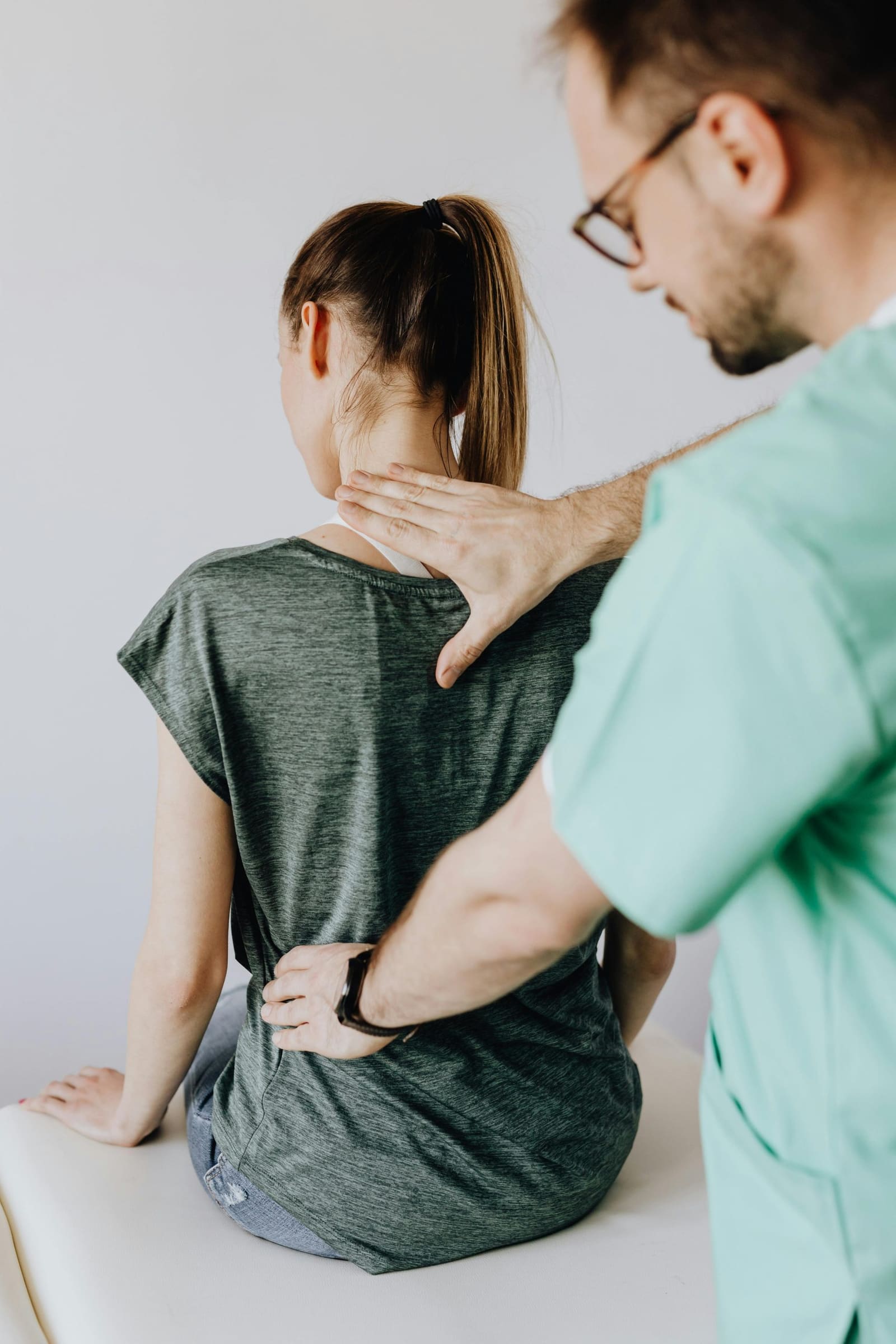
No, osteopathy should not hurt. Treatment is usually gentle, and most people find it comfortable or even relaxing. Some techniques can feel firm, and it is normal to have mild soreness for a day or two afterwards, a bit like the day after a workout. Pain during treatment is not the goal and never has been.
That said, “does it hurt” is one of the most common questions people ask before booking, usually because they have heard a story from a friend or had a rough experience somewhere else. Here is the honest version.
The short version
- Osteopathy is usually gentle and should not be painful.
- Mild soreness for up to 48 hours afterwards is normal.
- Firm techniques can feel uncomfortable, but you stay in control.
- Sharp or worsening pain is not normal. Tell your osteopath.
- Pain is never the point of the treatment.
What osteopathy actually feels like
Most osteopathic treatment is hands-on but gentle. The Institute of Osteopathy describes it as “a range of gentle hands-on techniques that focus on releasing tension, stretching muscles and improving mobility”. In practice that means soft tissue work that feels like a firm massage, slow movements of a joint through its range, and stretches the osteopath guides you through.
None of that should be painful. A lot of people are surprised by how light some of it is, particularly if they came in expecting to be put through it. In the years I spent treating, the patients who were most anxious about pain were usually the ones who had been handled too aggressively somewhere else. Good treatment does not need to hurt to work.
Why a bit of soreness afterwards is normal
It is common to feel mildly sore in the day or two after a session, especially after your first one. The same Institute of Osteopathy guidance notes that “there may be times when you experience discomfort during or experience some mild soreness after treatment. This will normally go away within 48 hours.”
This is the same reason you ache after a new type of exercise. Tissues that have not moved well for a while get worked, and they respond. The research on this is reassuring: a review of people having manual therapy for neck and back pain found that side effects like soreness were common but mild and short-lived. A warm shower and normal movement usually settle it. You do not need to rest up and avoid everything.
Which techniques can feel uncomfortable
Some things feel more intense than others. Deep soft tissue work on a tight, irritated muscle can be uncomfortable while it is happening. Stretching a stiff joint towards the end of its range can feel like a strong stretch. Neither should be sharp or alarming.
The key point is that you stay in control the whole time. A good osteopath explains what they are about to do and checks in as they go. If something is too much, you say so and they adjust or stop. Treatment is a conversation, not something done to you while you grit your teeth.
What about the clicking sound people talk about?
This is usually where the fear comes from, and it is worth clearing up. The quick joint techniques that make a clicking noise are more associated with chiropractic, and they are only one small part of what an osteopath might use. They are not the point of the treatment, and a session can be perfectly effective without any of it. If that sort of thing makes you nervous, say so and it can be left out entirely. We cover the wider differences in our piece on osteopath versus chiropractor.
For lower back pain, hands-on techniques are recommended by NICE only alongside exercise and advice, not as a standalone fix. That matches how good clinics work anyway: the treatment buys you a window, and the exercises keep the improvement.
When discomfort is a red flag
Most post-treatment soreness is nothing to worry about. A few things are different and worth acting on. See your GP or seek urgent advice if you have:
- Pain that is getting sharply worse rather than settling over 48 hours
- New numbness, pins and needles, or weakness in an arm or leg
- Any loss of bladder or bowel control, or numbness around the saddle area
- Unexplained fever, night pain, or feeling generally unwell with the pain
These are not typical reactions to osteopathy. They are signals that something else needs checking. A responsible osteopath would tell you the same and refer you on.
What we do to keep it comfortable
Before anything starts, the osteopath takes a history and explains the plan so you can agree to it. Osteopathy is also not right for everyone: the NHS notes it may not be suitable if you take blood thinning medicines, have bones or joints that are very weak or seriously damaged, or have certain nerve conditions. That is exactly what the initial assessment is for.
An initial assessment with us is £75 and follow-ups are £60. The first session is mostly history and examination, so there is plenty of time to talk through any worries about pain before a hand is laid on you.
If you have been putting off getting something looked at because you are worried it will hurt, an assessment is the next step and the first session is the place to raise exactly that. Book at hardimanperformance.com/book-online.