

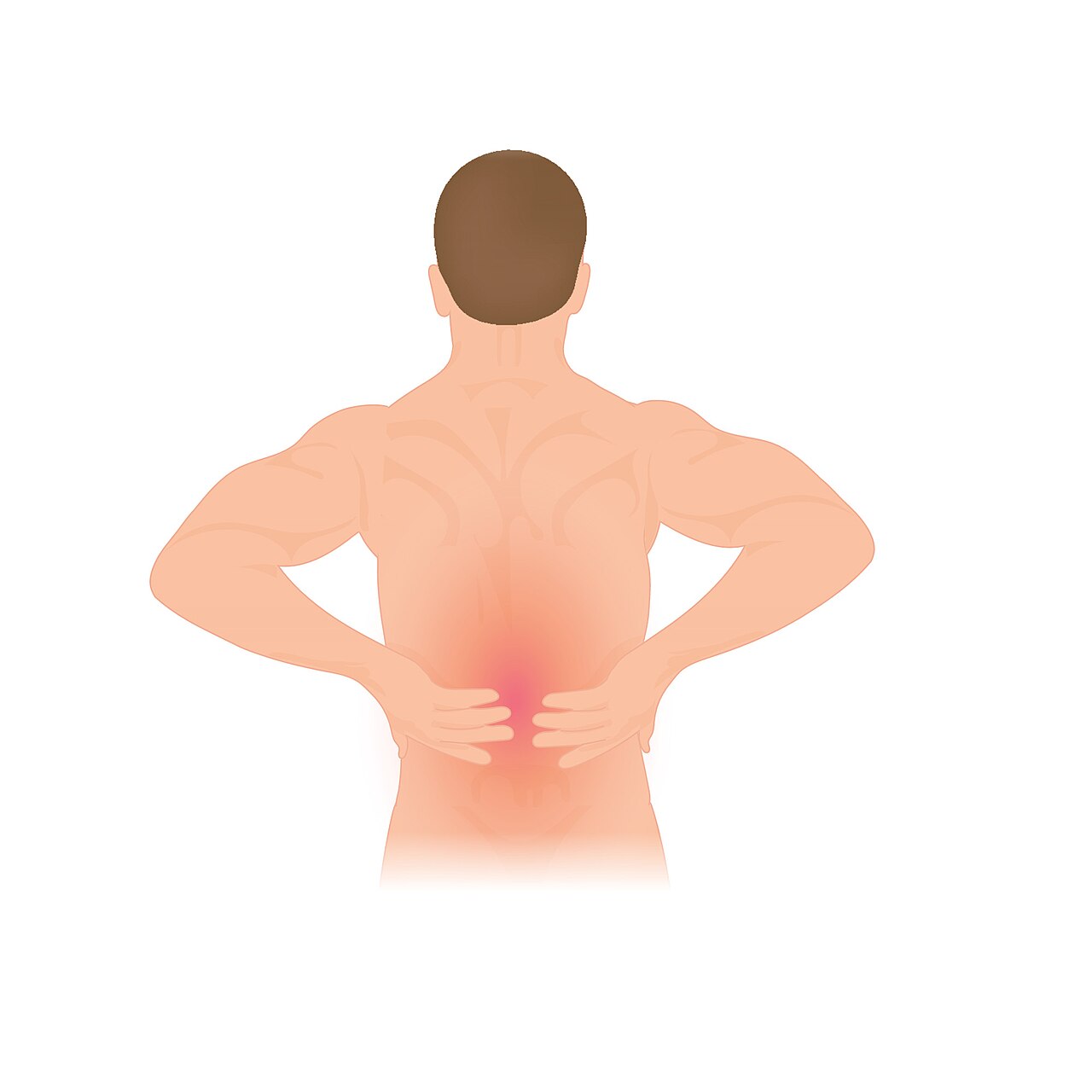
Chronic low back pain rarely means your back is still damaged. In most cases the original injury has healed, and the pain has become a persistent alarm rather than a sign of harm. That matters, because the old advice to rest until it settles is now known to slow recovery down.
Long-term back pain is one of the most common problems the clinic team is asked about, and it is also one of the most misunderstood. Here is what the evidence actually says about resting, moving, and getting better.
The short version
- Chronic low back pain means pain lasting more than 12 weeks.
- In most cases the tissue has already healed.
- Bed rest weakens muscles and tends to prolong recovery.
- Staying active and graded exercise are the most reliable treatments.
- Sudden bladder or bowel changes need urgent medical care.
What "chronic" actually means
Pain is called chronic, or persistent, once it has lasted more than 12 weeks. That is the line most clinical guidelines use, including the UK's NICE guidance on low back pain and sciatica. Acute back pain, the kind that comes on after a lift or an awkward twist, usually settles within about six weeks whether or not you treat it.
By 12 weeks, the tissues involved in a typical strain or disc irritation have generally done most of their healing. Yet the pain can carry on. In the chronic phase the problem is less about ongoing damage and more about a nervous system that has stayed sensitive and a body that has often stopped moving normally.
Why "just rest" was the wrong advice
For years the standard advice for a bad back was bed rest. We now know that prolonged rest is one of the least helpful things you can do for it. Muscles lose condition quickly, joints stiffen, and the longer you avoid movement the more threatening movement starts to feel.
Both the NHS and NICE have moved away from that advice. The NHS now tells people to stay active and carry on with daily activities as much as the pain allows, rather than taking to bed. A short rest during a severe flare is reasonable, but days or weeks of it tend to make recovery slower, not faster.
What the evidence actually supports
The most consistent finding across the research is unglamorous: movement helps. A Cochrane review of exercise therapy for chronic low back pain found that exercise produces modest but real improvements in pain and function compared with no treatment or usual care. No single type of exercise came out clearly on top, which is good news, because it means the best exercise is largely the one you will actually keep doing.
NICE recommends that people with low back pain be offered a group or individual exercise programme as a first-line treatment. It also supports manual therapy, the hands-on work an osteopath or physiotherapist does, but only as part of a package that includes exercise, not as a treatment on its own. In plain terms, hands-on care can help you move, and the movement is what does most of the work.
In practice that might mean walking, general strength work, or specific exercises to build the tolerance and control of the muscles around your spine and hips. Which of those suits you depends on what you can manage now and what you are likely to stick with.
What tends not to help on its own
It is worth knowing what the guidelines steer people away from, because a lot of money and hope gets spent in the wrong places. NICE advises against routine scans for ordinary low back pain, because findings like disc bulges and wear show up in plenty of people with no pain at all, and a scan often adds worry without changing the plan. It also recommends against leaning on strong painkillers such as opioids for long-term back pain, and against paracetamol on its own.
Treatments that are done to you, rather than with you, tend to disappoint when they are used alone. Heat, massage, and hands-on techniques can take the edge off and make movement easier, but by themselves they rarely produce lasting change in persistent pain. They earn their place as a way into the active side of rehab, not as a substitute for it.
The fear-avoidance trap
One of the reasons chronic back pain sticks around is a loop clinicians call fear-avoidance. Pain makes you cautious, caution makes you move less, moving less makes you weaker and stiffer, and that makes the next movement hurt more. The cycle feeds itself.
Breaking it usually means learning that hurt does not always equal harm. In persistent pain, a twinge during a walk or a light lift is rarely a sign you are damaging anything. It is often just a sensitive system firing early. That understanding is a genuine part of treatment, because it changes how the nervous system responds to load, which is why explaining pain honestly is now part of the job.
Sleep, stress, and the bigger picture
Persistent pain is rarely purely mechanical. Poor sleep, high stress, and low mood all turn the volume up on pain, and they are common in anyone who has been sore for months. This is not a suggestion that the pain is imaginary. It is a recognition that the nervous system producing the pain is the same one affected by exhaustion and worry. Working on sleep and stress alongside movement often makes the movement side easier to stick with.
A sensible way back to movement
Getting back to movement works best when it is graded and, frankly, a bit boring. Pick something you can do today without a big flare: a ten minute walk, some gentle range of movement, or a light version of an exercise you used to do. Do a little, often, and build slowly over weeks rather than days.
Two principles help. First, pace yourself by time or repetitions rather than by how good you feel on the day, so you avoid the boom and bust pattern of overdoing it and then crashing. Second, expect some discomfort and accept it within reason. Many clinicians use a simple rule of thumb: pain that stays at a mild level during and after activity, and settles within a day, is usually fine to work through.
If you are not sure where to start, this is exactly what an assessment is for. Working out what you can safely load, and how to build on it, takes most of the guesswork out. You can read more about how we approach this on our back pain treatment page.
How long it takes to turn around
This is the question everyone asks, and the honest answer is that it varies. With a sensible, active plan, many people find things ease over a few weeks to a few months rather than days. Progress is rarely a straight line. Good weeks and flare-ups sit side by side, and a flare does not undo the work you have already done.
What tends to predict a better outcome is not how bad the pain feels at the start, but how quickly you get moving again and how consistent you are with it. Chasing a perfect, pain-free finish line often keeps people stuck. Aiming instead for a bit more capacity each week, and a life that is not organised around the back, is usually the quicker route.
When to get urgent help
Most chronic back pain is not dangerous, but a small number of signs need same-day attention rather than a wait-and-see approach. Get medical help straight away if you develop any of these:
- loss of control over your bladder or bowels, or numbness around your back passage or genitals
- weakness or numbness spreading into both legs
- severe pain that wakes you at night, alongside unexplained weight loss, fever, or a history of cancer
- back pain that started after a significant fall or accident
The first two together can point to cauda equina syndrome, a rare emergency where the nerves at the base of the spine are compressed. It needs assessment within hours, not days. If you are in any doubt, call 111 or go to A&E.
How we approach chronic back pain
In my years of practice, the patients who did best with long-standing back pain were rarely the ones chasing a single dramatic fix. They were the ones who understood what was driving the pain and had a clear, gradual plan to get moving again. Hands-on treatment has a place in that. It can ease symptoms and make movement feel more possible, which buys you the window to do the active work that actually shifts things.
The clinic team sees around 100 patients a week, and persistent back pain is one of the most common problems we are asked about. A first appointment is mostly about working out what you can do, not just what hurts, then building a plan from there. If your back has been sore for months and you feel stuck, a proper assessment is usually the quickest way to find the thread again.
If this sounds like what you're dealing with, an assessment is the next step. Book online here.
Illustration: Injurymap, CC BY 4.0.