

If you are looking for an osteopath in Luton, the thing that matters most is not the slickest website or the longest list of techniques. It is whether the person is registered with the General Osteopathic Council, whether they assess you properly before they treat you, and whether they send you home with something to do between sessions. The rest is detail.
I am a registered osteopath and a former Royal Marine, and I built this clinic in Stopsley. So treat what follows as a biased source if you want to. But the advice below is how I would tell a friend to choose an osteopath anywhere, not only here.
The short version
- By law, any UK osteopath must be registered with the General Osteopathic Council.
- A good first appointment assesses you before any treatment starts.
- Look for active rehab and exercises, not passive treatment alone.
- Honest osteopaths tell you what osteopathy cannot do.
- The clinic sees around 100 patients a week, many from outside Luton.
Start with registration, because it is the law
In the UK, only someone on the General Osteopathic Council register is allowed to call themselves an osteopath. This is not a courtesy title. Osteopathy is regulated by an Act of Parliament, the Osteopaths Act 1993, which made “osteopath” a protected title. The NHS puts it in plainer terms and tells patients the same thing: before you book, check the practitioner is registered with the General Osteopathic Council.
You can search the register online in under a minute. If you cannot find someone on it, do not book them. This single check rules out most of the people you would want to avoid.
A good osteopath assesses before they treat
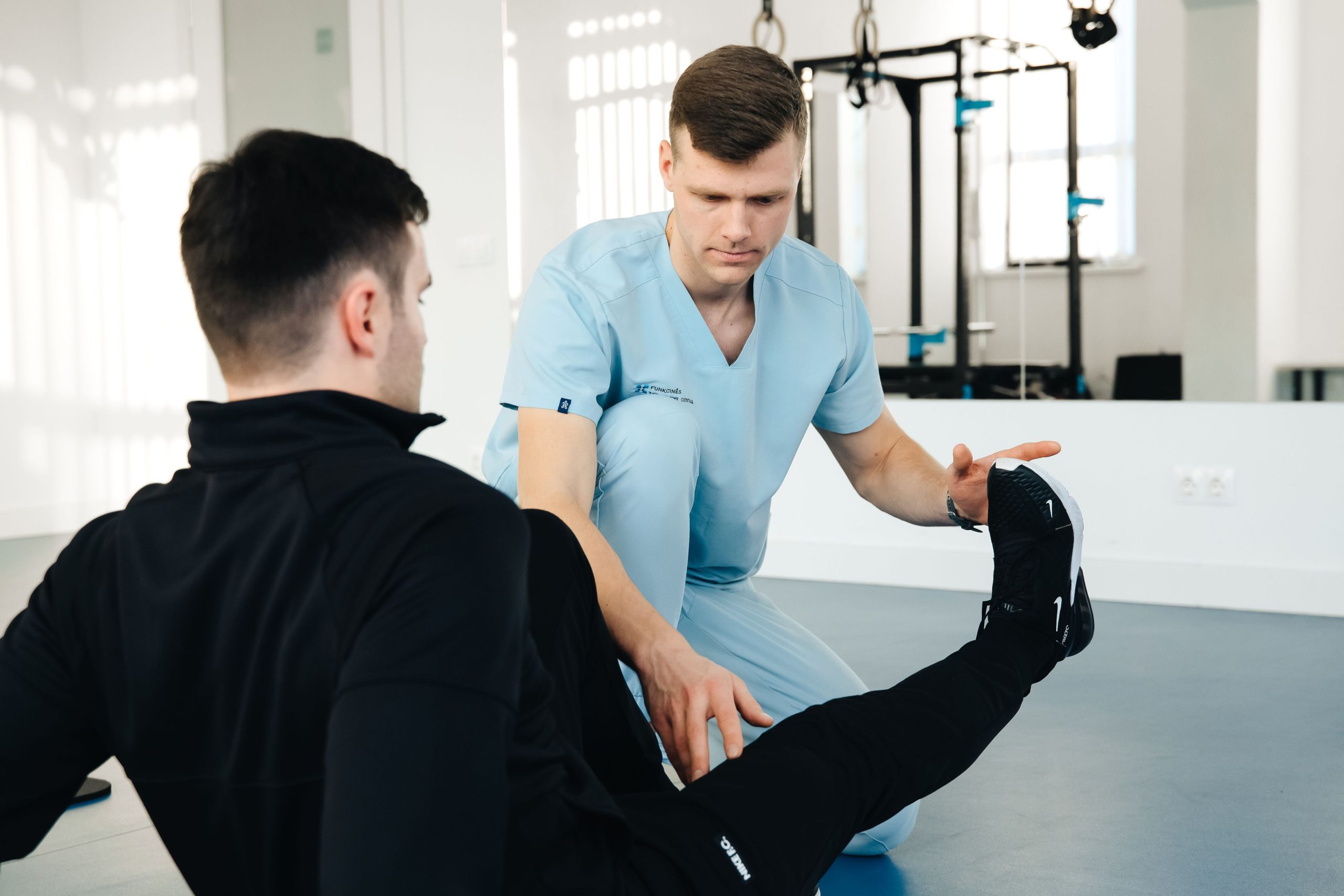
The first appointment should be mostly questions and movement testing. A history of your problem, what makes it better and worse, your general health, and a physical assessment of how you actually move. Treatment should follow that, not replace it.
If someone reaches for hands-on treatment in the first two minutes without taking a proper history, that is a warning sign. A careful assessment is also how a good osteopath spots the cases that are not theirs to treat, and refers you on instead.
Look for active rehab, not just hands-on treatment
Hands-on treatment has its place, but for most musculoskeletal problems it works best alongside exercise. NICE, which sets clinical guidance for the NHS, recommends manual therapy for low back pain only as part of a treatment package that includes exercise. That principle holds well beyond backs.
In practice it means a good osteopath sends you home with two or three things to do, not just a booking for next week. Passive treatment can feel good in the moment, but the gains tend to fade once you stop going. The exercises are what make the change stick.
Honesty about what osteopathy can and cannot do
Osteopathy has reasonable evidence for some musculoskeletal complaints and thin evidence for others. A good osteopath is honest about that. You should hear realistic odds and timeframes, not promises of a cure. You should never hear talk of realigning your body, clearing blockages, or releasing toxins. That language is a red flag, not a sign of expertise. How osteopathy compares with other options is a separate question, and I have written about osteopaths versus chiropractors elsewhere.
The same honesty applies to safety. A good osteopath will send you to your GP, not keep treating you, if your symptoms point to something that needs medical investigation. Numbness or weakness in a limb, loss of bladder or bowel control, or unexplained night pain with weight loss or feeling unwell are reasons to seek urgent medical advice rather than book a hands-on appointment.
The practical things that actually decide it
Once registration and approach are sorted, the rest is convenience. We are based in Stopsley, and a good number of our patients drive in from Hitchin, Harpenden, Bedford, Dunstable and Leighton Buzzard, so do not rule out a clinic that is a short drive away if the person is right.
Know the cost before you go. At this clinic an initial assessment is £75, follow-ups are £60, and an extended appointment is £85. Several private insurers cover osteopathy, including Vitality, WPA, Aviva, AXA, Cigna and Simplyhealth, so it is worth checking your policy. You do not need a GP referral to see an osteopath in the UK. You can book one directly.
If you are in Luton or nearby and want a proper assessment, that is the place to start. You can book at hardimanperformance.com/book-online.